Blogs
How to Find a Leak in Your House
May 12, 2019


Water conservation has been in my blood for as long as I can remember. My father worked in landscaping for years when I was young, which is where he taught me about various pipe materials and methods for irrigation. As I grew, he was promoted until he reached a position at Tucson Water that we lovingly referred to as, “the water cop.” Everything from then on has been centered on water conservation methods, techniques, how to find a leak, and even timing my showers!
This may seem excessive, but every drop saved is a drop earned, almost like how we view saving money. Water isn’t an abundant resource, which seems to be a common misconception. I mean, just look at how much of the planet is covered in water, almost 70% of the Earth is covered in the stuff!
But what if I was to tell you that the ocean water is only 7 miles deep at its deepest point, the Mariana Trench? 7 miles can seem like a lot of water, but in reference to the actual earth, water only makes up a small percentage of the resources we have available. Just imagine how many layers there are within the Earth’s crust. Ocean water is a small sliver at the top of the layers.

As for drinking water? We have even less! So why should you care?
On average, an American household’s leaks can account for almost 10,000 gallons of wasted water per year, and 10% of homes have leaks that waste 90 or more gallons in a single day!
But who are the main culprits?
Before you start digging through your house and yard for leaks, it would be helpful to identify if you have a leak. This seems obvious, but there have been several states with water monitoring issues on the city side. For instance, water companies overcharge for water usage due to clerical errors.
So, in order to determine if you have a leak, you must determine you are, in fact, wasting water. Here are a few tips to figure out if you have leaks within your home:
Tips courtesy of the © EPA
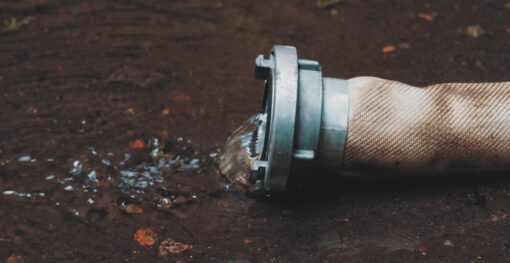
Municipal water systems across the globe face an invisible crisis that drains billions from public coffers annually. Water losses from...
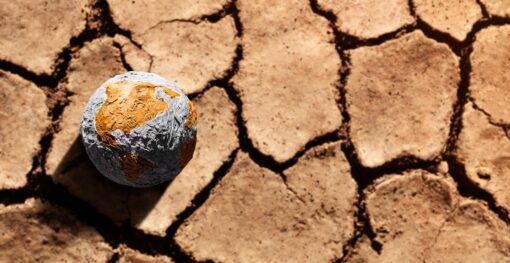
Water security represents one of the most pressing challenges of the 21st century, with global water demand projected to increase...
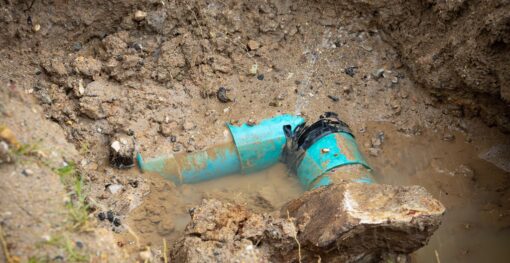
Urban infrastructure systems are the backbone of modern society, enabling clean water distribution, waste removal, and the overall health and...